

London rent arrears affect 1 in 5 tenants. Learn the causes, costs, and how Jukes & Co’s referencing and rent guarantee insurance protect landlords.
The State of Rent Arrears in London: London Rent Arrears Statistics 2025
Rent arrears have become an increasingly pressing issue across London’s rental market. With rising living costs, static wages, and high demand driving rents upward, many tenants are struggling to keep up — and landlords are facing the financial and emotional toll of unpaid rent.
Recent data paints a sobering picture:
- According to a 2025 survey by London Councils, over 1 in 5 London tenants reported falling behind on their rent at some point in the past 12 months.
- Data from Shelter indicates that private tenants in London are twice as likely to face eviction due to arrears compared to the national average.
- A Landlord Association poll shows that 38% of landlords in Greater London experienced at least one case of serious arrears (2+ months) in the last year.
- Universal Credit-linked tenancies show higher vulnerability, with rent often being paid late or inconsistently due to delays in benefits processing.
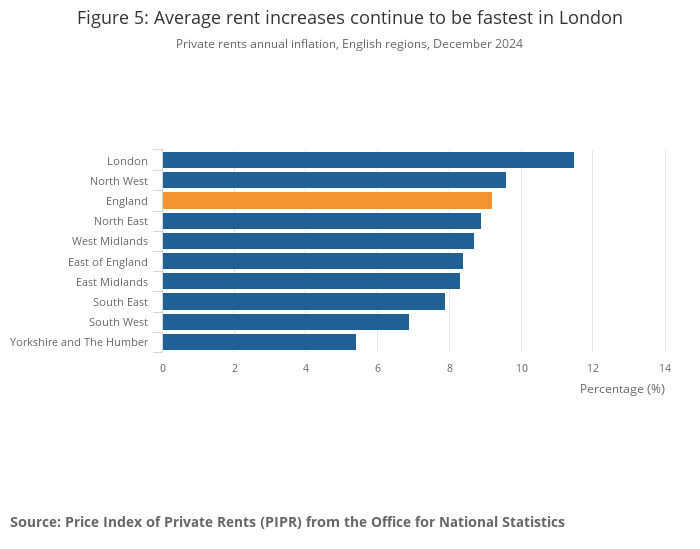
ONS (Office for National Statistics, 2024): Real wages in London have stagnated since 2021 while average rents have risen by 28% over the same period.
Why London Tenants Fall Behind on Rent
As a landlord in London, it’s important to recognise that rent arrears are often the result of genuine financial pressures — not tenant negligence. Understanding the causes can help you take proactive steps to protect your income and maintain strong tenant relationships.
A major factor is the growing gap between rent and income. According to the Office for National Statistics (2024), London rents have risen over 28% in the past three years, while wages have remained largely stagnant. Many tenants are now spending over half their income on rent, leaving little margin for emergencies. A single missed paycheque or unexpected bill can quickly lead to arrears.
Job loss or unstable income is also common, particularly among tenants working in hospitality, retail, or freelance roles. Citizens Advice reported that in 2023, average rent arrears in London exceeded £1,421 — much of it due to temporary dips in earnings. For tenants on Universal Credit, delays in payments often cause further complications, with processing times of five weeks or more leading to rent shortfalls through no fault of their own.
In some cases, arrears stem from poor affordability checks at the start of a tenancy. Letting a property to someone who simply cannot afford it — without a guarantor or proper screening — increases the risk from the outset. Even financially stable tenants can fall behind when faced with rising utility bills, food costs, and council tax, which have all increased significantly in recent years.
Communication breakdowns also play a role. Tenants under financial stress may avoid contact out of fear or embarrassment, making early resolution harder. As a landlord, maintaining a clear, approachable line of communication can make a huge difference. Most arrears situations are more manageable when addressed early.
By understanding these factors and putting strong systems in place — such as thorough referencing, rent protection insurance, and responsive communication — you can significantly reduce the risk of arrears and build more resilient tenancies.
The Real Impact of Rent Arrears
Rent arrears don’t just affect cash flow — they create stress, uncertainty, and sometimes conflict for everyone involved. In London’s high-stakes property market, the consequences can escalate quickly for both landlords and tenants. In markets like London, where many landlords rely on rent as their primary income or pension, arrears can have lasting financial consequences.
Financial Impact on London Landlords
Rent arrears can place a significant financial and emotional burden on landlords, particularly those who rely on rental income to cover mortgage payments or as their primary source of income. This is especially true for retirees or accidental landlords who may not have the resources to absorb prolonged periods of non-payment. Unlike institutional landlords, the majority of landlords in London are private individuals with just one or two properties — many of whom have ongoing financial commitments tied to their investments.
When tenants fall into arrears, landlords may struggle to meet their own mortgage obligations, potentially leading to mortgage arrears or, in severe cases, repossession proceedings initiated by lenders. In addition, the legal route to recover possession — especially via a Section 8 notice — is often lengthy, stressful, and expensive. According to the NRLA, the average cost of eviction could start at £675 but can easily exceed £1,000 to £1,500, excluding the loss of rent over several months.
Even after gaining possession of the property, landlords typically face a void period during which the property generates no income. This downtime is often compounded by the need to carry out repairs or cleaning, particularly if the property has been neglected or damaged. The cumulative effect can quickly erode rental profits and delay the re-letting process.
Perhaps less quantifiable, but equally damaging, is the strain that rent arrears place on the landlord-tenant relationship. Even when arrears stem from genuine hardship, the breakdown in communication and trust can be difficult to repair. As a result, landlords may become more cautious or defensive in future lettings — insisting on guarantors, upfront rent, or avoiding riskier tenant profiles altogether. This shift contributes to a more transactional and less empathetic rental market across the capital.
Understanding the Effects of Rent Arrears on Tenants in the UK
For tenants, falling into rent arrears can trigger a cascade of stressful and often life-altering consequences. In London, where rents are among the highest in the UK and competition for housing is fierce, even a short-term financial setback can lead to long-term instability. The most immediate risk is eviction. Once a tenant falls behind on rent, landlords may issue formal notices, which—if unresolved—can result in the loss of their home. For those without family support or access to alternative accommodation, this can quickly spiral into homelessness.
The emotional toll is equally significant. Tenants facing arrears often report heightened anxiety, depression, and a sense of shame. This stress can make it harder for them to address the problem proactively, leading to avoidance of communication with landlords or agents. According to Shelter, a large proportion of renters who fall into arrears experience a noticeable decline in mental health, compounding the challenges they already face.
Rent arrears can also damage a tenant’s credit rating, especially if the case escalates to court action or involves debt collection agencies. A poor credit history makes it more difficult to secure future rental properties, take out loans, or even pass certain employment checks. In competitive markets like London, where referencing is stringent, tenants with a record of arrears are often overlooked, regardless of their current circumstances or efforts to recover.
Ultimately, rent arrears don’t just affect a tenant’s ability to pay — they disrupt their stability, wellbeing, and future housing options. Without early support or intervention, many renters find themselves caught in a cycle of financial insecurity, where each missed payment leads to greater barriers and fewer choices.
The Solution: How Jukes & Co Prevents Rent Arrears
At Jukes & Co, we understand that preventing rent arrears starts with securing the right tenant from day one. That’s why, as part of our services, we carry out a thorough and comprehensive referencing process for every applicant. This includes full credit checks, previous landlord references, employment verification, and affordability assessments to ensure the tenant has a stable financial background and is capable of meeting their monthly rental obligations. We don’t just look at payslips — we take the time to understand each tenant’s financial situation, including income stability and spending commitments, to minimise the risk of arrears later down the line.
In addition to strong upfront checks, we also offer our landlords the option of Rent Guarantee Insurance (RGI) — a powerful safeguard that adds another layer of protection. With RGI in place, landlords are covered if a tenant falls into arrears, with payments typically made after just one month of missed rent. More importantly, it also includes cover for legal expenses, should it become necessary to serve notice or pursue court proceedings for possession. This means our landlords can have peace of mind, knowing they won’t be left out of pocket if things go wrong. In a climate where financial instability can affect even reliable tenants, having RGI is not just a precaution — it’s a smart investment in protecting your property and income.
At Jukes & Co, our goal is to provide landlords with security, transparency, and confidence throughout the tenancy. From day one, we focus on doing things properly — and that starts with putting the right people in your property and backing it up with the right protection.
Eviction Prevention Methods in London 2025: What Works Best for Landlords?
As eviction processes in London become slower and more complex in 2025, landlords are increasingly focused on preventing rent arrears and avoiding costly legal action. With the Renters’ Rights Bill removing Section 21 evictions and mandating longer notice periods, it now takes 6 to 12 months on average to evict a tenant for non-payment of rent. In this environment, proactive eviction prevention methods are not just smart—they’re essential.
One of the most effective strategies is thorough tenant referencing. This includes credit checks, employment verification, affordability assessments, and previous landlord references. Landlords who conduct full referencing are significantly less likely to experience arrears or disputes. According to recent reports, rent arrears now account for over 20% of all tenancy disputes in the UK, underlining the importance of selecting tenants carefully.
Another widely used and successful method is offering rent repayment plans. Studies show that 54% of UK landlords have used structured repayment plans to help tenants in financial difficulty. In London, nearly 68% of landlords report that engaging in early communication and offering flexible payment terms have helped them avoid escalating arrears into formal eviction proceedings.
Rent Guarantee Insurance (RGI) is also gaining popularity as a vital safety net for landlords. Although specific success rates in London are not widely published, RGI is highly effective in mitigating financial risk. This insurance covers unpaid rent—often after just one month of arrears—and may also include legal costs associated with evicting tenants under Section 8. With courts often taking three to six months to process possession orders, RGI gives landlords peace of mind and protects long-term cash flow.These methods can be summarised as follows: thorough referencing significantly reduces tenant risk, early repayment plans can resolve arrears before legal action becomes necessary, and Rent Guarantee Insurance safeguards against income loss during prolonged legal proceedings. Together, these strategies form a powerful toolkit for landlords seeking to protect their investments in London’s evolving rental market.
Frequently Asked Questions (FAQs)
As of early 2025, average rent arrears in London range between £1,800 and £2,600 per tenancy, according to Reposit. This marks a sharp increase from previous years, driven by rising rents and cost-of-living pressures. Traditional deposits (typically £1,200–£1,300) often fall short of covering these arrears, leaving many landlords exposed to financial risk. London consistently reports higher arrears than other UK regions due to elevated rental prices.
In 2025, evicting a tenant for rent arrears in the UK typically takes 6 to 12 months from the first missed payment to regaining possession. This includes:
– 3 months of arrears before legal notice can be served
– 4-week notice period under Section 8
– Court delays of 3–6 months for possession orders
– Bailiff enforcement taking an additional 6–10 weeks
Due to court backlogs and new rules under the Renters’ Rights Bill, eviction timelines have increased significantly. Landlords are advised to act early, maintain clear documentation, and consider Rent Guarantee Insurance to cover missed rent and legal costs.
Rent Guarantee Insurance (RGI) is a type of landlord insurance that protects rental income if a tenant fails to pay rent. If a tenant falls into arrears, RGI covers the missed payments—usually after just one month of non-payment—and can continue to pay rent for a specified period (often up to 12 months). Most policies also include legal expenses cover, helping landlords recover possession through the courts if necessary.
This insurance is especially valuable in today’s market, where evictions under Section 8 can take 6–12 months, leaving landlords vulnerable to long-term income loss. Rent Guarantee Insurance provides financial security and peace of mind, ensuring landlords are not left out of pocket due to tenant default or legal delays.
